

Despite strong assurances from telecom operators that Nigeria now has the infrastructure capacity to support seamless electronic transmission of election results, lawmakers remain sharply divided over whether the process should be made mandatory ahead of the 2027 general elections.
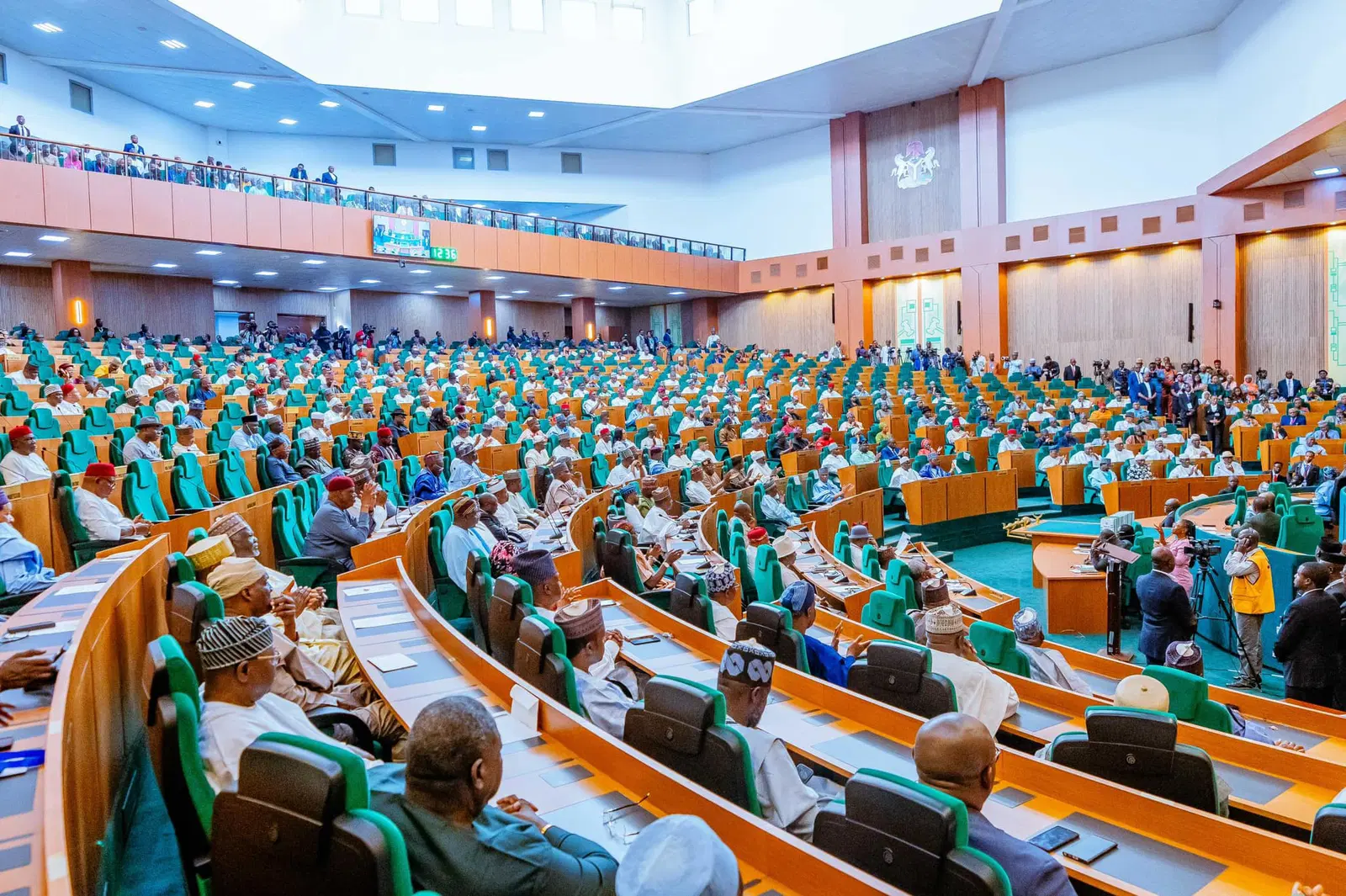
The disagreement resurfaced yesterday as the Conference Committee set up to harmonise amendments to the Electoral Act failed to reach any conclusion after members of the House of Representatives did not formally convene for the scheduled 11am meeting.
ENigeria Newspaper gathered that some senators reportedly arrived and waited, but no House members were present. A later attempt to reconvene also failed to produce a harmonised position, forcing a late-night meeting outside the National Assembly complex in a last-minute effort to align positions before plenary.
At the heart of the dispute is Clause 60(3), which deals with electronic transmission of results.
While the House of Representatives passed a version of the bill making electronic transmission from polling units mandatory, the Senate has adopted a more cautious position, citing concerns over telecom infrastructure spread and recurring electricity grid collapses that could disenfranchise voters if real-time transmission becomes compulsory.
That caution has drawn sharp pushback from telecom operators.
Engr. Gbenga Adebayo, Chairman of the Association of Licensed Telecom Operators in Nigeria (ALTON), questioned the basis of the infrastructure concerns.
“Upon which survey or statistics is the Senate coming up with its position of inadequate telecom infrastructure?” he asked.
According to him, more than 70 percent of Nigeria is currently covered by 3G and 4G networks, 5G accounts for about 11 percent coverage, and the rest of the country is served by 2G — which he insists is sufficient for transmitting election results.
“Even 2G is strong enough to transmit results electronically. We cannot take a blanket position based on half-truths about infrastructure,” he said.
Operators including MTN Nigeria, Airtel Nigeria and Globacom argue that network expansion in recent years has significantly improved coverage and reliability.
Industry data show broadband subscriptions rose to 109.6 million by December 2025, with penetration exceeding 50 percent. Investments in fibre rollout, rural connectivity and 4G/5G upgrades have exceeded $1 billion in 2025 alone.
ENigeria Newspaper gathered that technology experts argue that the debate is no longer about feasibility but about political confidence.
Ebenezar Wey, a tech analyst, said alternatives such as satellite broadband, Starlink connectivity and dedicated WAN systems make nationwide transmission achievable if properly funded and structured with redundancy.
“There’s no excuse that can stand from the point of technology at this time,” he said.
The renewed debate echoes pre-2023 arguments, when lawmakers similarly questioned infrastructure readiness. After the 2023 presidential election under President Bola Tinubu, delays in uploading results to INEC’s Result Viewing Portal (IReV) triggered widespread suspicion and litigation.
Although the Supreme Court later ruled that IReV is a transparency portal and not the legally recognised collation system, the political controversy never fully subsided.
Stakeholders have stressed that INEC must strengthen its digital infrastructure to ensure smooth electronic transmission of results. They recommended investing in multiple backup servers, real-time failover systems, and geographically distributed cloud storage to avoid any disruptions.
Telecom professionals also urged that election-day network traffic be managed as a top priority to prevent bottlenecks
Now, with 368 days to the 2027 elections, the unresolved question is whether infrastructure concerns justify legislative caution — or whether industry assurances of readiness will prevail.