
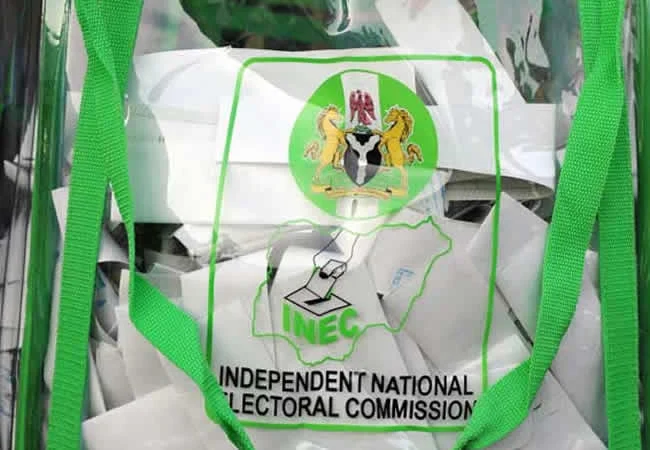
Low voter turnout, logistical challenges, and mixed reactions marked recent bye and area-council elections in Rivers, Kano, and the Federal Capital Territory (FCT), highlighting persistent obstacles in local electoral participation.
In a round-up review gathered by ENigeria Newspaper, reports show that in Rivers State, by-elections were conducted in Ahoada East Constituency II and Khana Constituency II to fill vacant State House of Assembly seats. Voting commenced at about 9 a.m., but observers reported that only a few voters had turned out even hours later.
At Polling Units 1 and 13 in Khana Ward 2, with hundreds of registered voters, only a handful had cast ballots by early afternoon. Some residents attributed low participation to inadequate sensitisation and the disqualification of major opposition parties, leaving the APC as the only significant contender.
Addressing these concerns, Rivers State Resident Electoral Commissioner Gabriel Yomere said, “The traditional rulers deployed town criers who moved around to inform people across the various communities. In addition, we engaged with politicians and civil society organisations, and aired radio jingles, which are still being broadcast today.”
He added that while INEC could not go to voters’ homes to compel them, extensive awareness campaigns had been undertaken.
In Kano State, turnout was similarly low in bye-elections for Kano Municipal and Ungogo constituencies. Resident Electoral Commissioner Abdu Zango linked the reduced participation to the ongoing Ramadan period and the perception that the election involved few candidate.
“First of all, I think the timing. Maybe Ramadan. Second, I think the general feeling is that this is a very small election involving only few candidates… Nine contestants, I think”, he said.
Governor Abba Kabir Yusuf commended INEC and security agencies, saying the calm atmosphere across polling units “reflected the growing political maturity of the people and the effectiveness of security arrangements put in place.”
In the FCT, voter apathy and operational problems were widespread during the Area Council elections. Across wards including Jikwoyi, Karu, Bwari, Gwagwalada, and Nyanya, turnout was low despite curfew enforcement and heavy security deployment. Incidents included BVAS malfunctions, missing ballot papers, absent SDP logos, and incomplete voter lists.
Voters expressed frustration, with one resident noting, “The last general elections discouraged a lot of people from coming out because after voting, the result was different from what we saw and expected.”
Candidates also voiced concerns: Dr. Moses Paul of the ADC described the environment as “unprecedented — like a state of emergency without justification,” while APC’s Christopher Maikalangu praised the professionalism of officials.
“Local government elections are meant for local people, and that is why when you come to remote areas, you will see the turnout is different from that of the city”, he noted.
While elections were largely peaceful across the three regions, these by- and area-council polls underscore persistent challenges, from voter apathy and disqualification of opposition parties to logistical failures and technical glitches, emphasizing the need for reforms to strengthen local electoral participation in Nigeria.