
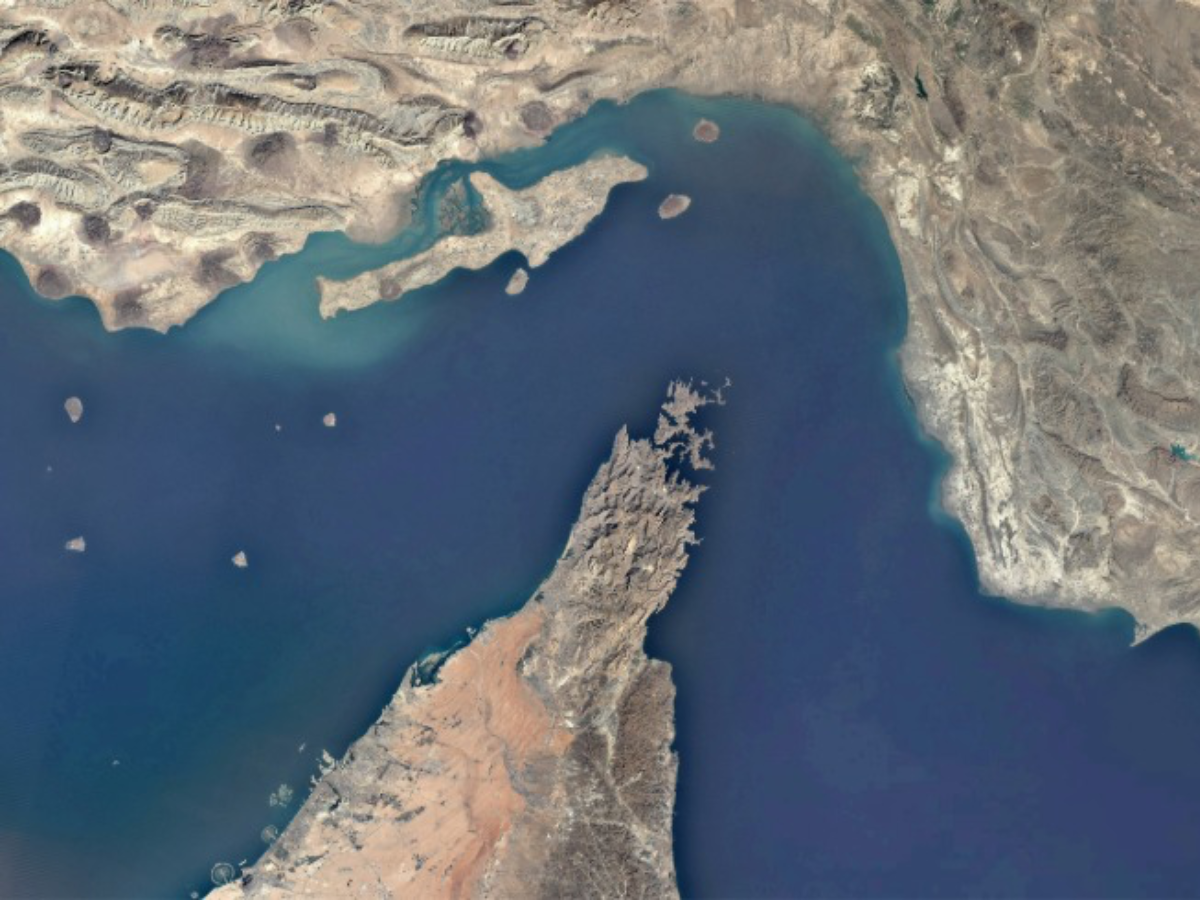
With only hours remaining for Iran to comply with US demands to reopen the Strait of Hormuz, Donald Trump‘s threat of widespread disaster yesterday increased global tensions.
The United States has the capacity to destroy the nation’s infrastructure in a single night, and it could happen as soon as tomorrow night if the Hormuz is not reopened, Trump said during a press conference at the White House on Monday. In the event that an agreement could not be reached, Trump pointed out that the targets included power plants and bridges.
The US president stated that Iran had been given an extension to provide input on ongoing talks, but he felt that the response was important but insufficient. One of the demands of the peace deal, which would be reached by charging tolls to ships traversing the Hormuz strait, had to be its reopening.
Trump emphasized that Iran was still “an active, willing participant” in negotiations despite US threats. Therefore, it was unclear if a peaceful arrangement would be made shortly or if the war would intensify.
Iran did not seem to react to threats seriously, dismissing them as “delusional.” As the country’s military reported, there was no way to hide disgrace and humiliation that the Americans suffer in the region. At the same time, Iranian state media informed that the country had rejected a US-backed ceasefire, demanding that the war should be terminated finally.
Numerous people have already died in the conflict. Iranian troops continue to launch missile strikes against critical assets in Gulf states, while Israeli-US attacks on various targets around Iran resulted in at least 34 fatalities yesterday.
US officials utilized the event to emphasize Iran’s predicament as well as a risky rescue attempt of two servicemen. Chief of the Joint Staff Dan Caine commended the pilot’s ability to survive due to his complete willingness to live, while CIA Director John Ratcliffe said the mission proved to be extremely challenging.
Mr. Trump also highlighted splits within his own military advisors about the rescue mission, noting that his administration is hunting down the origin of the leak connected to the episode, threatening serious consequence, even imprisonment, for those involved.
Outside of the battlefield, the US president denounced certain partners for not supporting him in the conflict, implying widening geopolitical rifts. There is more at stake in this crisis than only conflict, as President Trump also emphasized his goal to dominate the oil resources in the region, including nations like Iran and Venezuela.
Recall that ENigeria Newspaper reported on March 21, President Trump gave Iran 48 hours to open up the Strait of Hormuz. That deadline was repeatedly pushed back since then.
In reality, Mr. Trump has threatened Iran’s power plants on multiple occasions over the past few weeks. Millions of Iranians rely on these facilities to supply electricity for their living quarters, healthcare, education, and other aspects of daily civilian life. According to international humanitarian law, such intentional destruction of civil structures is considered a war crime.