The Presidency on Thursday said no opposition party should be afraid of direct primaries, insisting that the amended Electoral Act strengthens internal democracy by expanding participation in candidate selection.
In a statement issued in Abuja and made available to ENigeria Newspaper, the Special Adviser to the President on Information and Strategy, Bayo Onanuga, argued that allowing all registered party members to vote in primaries restores ownership of political parties to their grassroots base.
“During their press conference, opposition parties also rejected the use of direct primaries as a means of selecting party candidates”, the statement read.
“We find it perplexing why the opposition is crying over the inclusion of direct primaries and consensus voting, rather than the corrupt delegate system they prefer. The opposition should be grateful to the National Assembly for removing delegate-based primaries and restoring party ownership to its members”, the presidency added.
According to the Presidency, aspirants who enjoy genuine support within their parties have nothing to fear from a system that broadens participation beyond a limited circle of delegates. It maintained that direct primaries deepen transparency and reduce the influence of entrenched interests in candidate emergence.
The statement added that the reform aligns Nigeria’s political process more closely with other presidential systems where party members play a central role in determining flagbearers.
Beyond the issue of primaries, the Presidency criticised opposition parties for what it described as persistent attacks on the newly amended Electoral Act. It accused some political actors of engaging in “constant lamentation and unwarranted outrage” instead of adjusting to the revised legal framework.
The Presidency also dismissed claims that recent amendments to provisions on result transmission and the use of backup documentation create room for manipulation. It maintained that the law still permits real-time transmission of results, while providing safeguards in the event of technical failures.
Clarifying the role of the INEC Results Viewing Portal (IReV), the statement noted that the platform is designed for public transparency and not as a collation centre, stressing that statutory result forms remain the primary legal basis for validation.
The Presidency further rejected allegations that the reforms signal a drift toward a one-party state, describing such claims as unfounded and politically motivated. Nigeria, it said, remains a multiparty democracy with numerous registered political parties free to organise and compete.
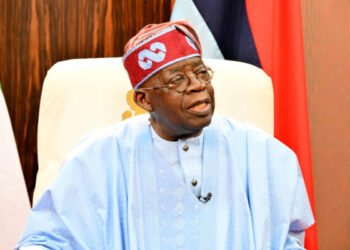
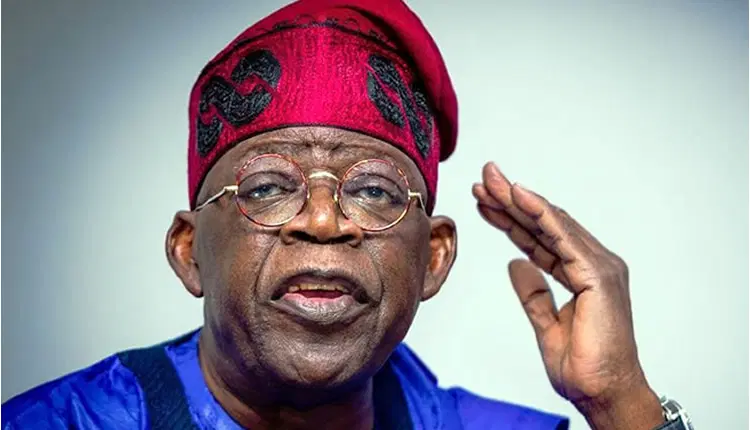
“A recurring refrain from the disorganised opposition is the false allegation that President Tinubu aims to turn Nigeria into a one-party state. Such cheap shots reveal their hollowness and lack of reason.
“Nigeria is a vibrant multiparty democracy, with more than a dozen registered parties, including ADC and NNPP”, the presidency affirmed.
It urged opposition leaders to focus on strengthening their internal structures ahead of future elections rather than contesting provisions already enacted by the National Assembly, which it said conducted broad consultations before passing the amendments.
According to the Presidency, the revised Electoral Act represents an improvement on the previous framework and is intended to enhance credibility, reduce loopholes and promote greater accountability within the electoral process.