INEC’s decision to move the 2027 presidential election to January may do more than simply adjust the electoral calendar — it could significantly extend the transition period before the next administration takes office.
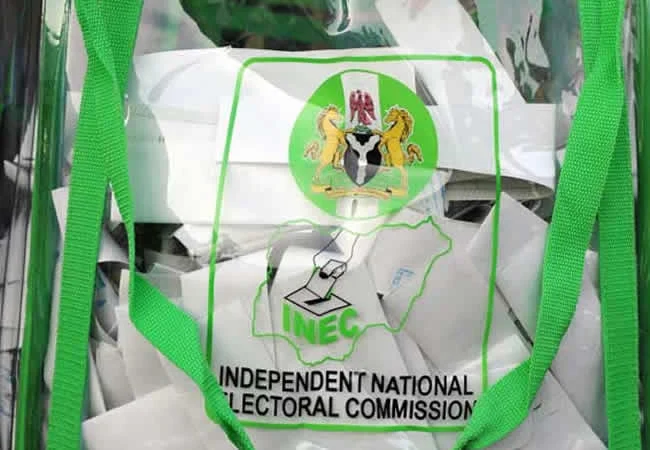
The Independent National Electoral Commission (INEC) on Thursday announced that the Presidential and National Assembly elections will now hold on January 16, 2027, following the repeal of the Electoral Act 2022 and the enactment of the Electoral Act 2026. Governorship and State Assembly polls are scheduled for February 6, 2027.
While the commission framed the shift as a compliance measure under the new legal framework, the revised date introduces a governance implication that could reshape the political handover process.
Under Nigeria’s constitutional arrangement, presidential inauguration traditionally takes place on May 29. If that date remains unchanged in 2027, the winner of the January 16 election would have more than four months before assuming office, thus, creating a longer transition window than in previous election cycles, when polls were typically held in late February.
In past elections, the gap between the declaration of results and swearing-in averaged roughly three months. The earlier January schedule potentially adds several weeks to that timeline, allowing for extended transition planning, policy briefings, cabinet consultations and security clearances.
Political analysts tell ENigeria Newspaper that a longer transition period could have mixed implications. On one hand, it may provide the incoming administration with more time to assemble a governing team and negotiate legislative alignments. On the other hand, an extended interregnum could heighten political tensions, particularly if election outcomes are contested in court.
INEC, as gathered by ENigeria Newspaper, has not indicated any change to the constitutional handover date, emphasizing instead that the revised timetable aligns strictly with the Electoral Act 2026 and the 1999 Constitution (as amended).
Beyond the immediate logistical adjustments, however, the January shift signals a subtle but potentially consequential reordering of Nigeria’s democratic rhythm ; one that could redefine how power transitions are managed in Africa’s largest democracy.