
Judges and magistrates across Nigeria are facing serious challenges, including poor remuneration, limited allowances, and insufficient staffing, raising concerns about the efficiency and morale of the judiciary.
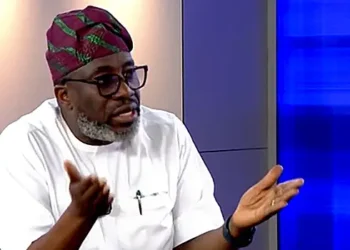
Reports carried by ENigeria Newspaper reveal that in Kebbi State, the Magistrates Association of Nigeria revealed that many magistrates earn far less than other public servants, with some receiving below N200,000 monthly, compared with over N4 million for higher court judges nationwide. Chief Magistrate Dayyabu Usman described the pay gap as demoralising, noting that magistrates often lack official housing, transport, and basic allowances. He emphasised that sergeants in the police force on lower grade levels earn more than some magistrates, a disparity that could affect commitment and performance in lower courts.
“As for magistrates, some earn about N200,000 as a monthly salary, while in Kebbi, magistrates receive even less than N200,000,” Mr Usman disclosed.
“Imagine a sergeant in the Nigeria Police Force on Grade Level 6 earning more than a Grade Level 16 magistrate. This situation is demoralising.”
Legal practitioners in Kebbi and neighboring states highlighted that magistrates handle heavy workloads daily, yet struggle with basic welfare needs. ENigeria Newspaper gathered that many rely on public transport and rent accommodations and the presence of inadequate support undermines efficiency and service delivery.
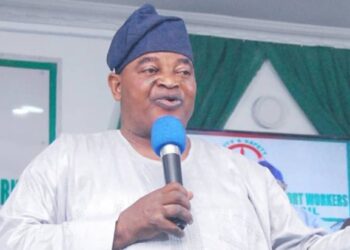
Civil society advocates, including Zainab Musa of Women for Justice Initiative, urged governments to prioritise magistrates’ welfare to strengthen public confidence in the justice system.
The situation in Zamfara and Sokoto states mirrors these challenges, with magistrates receiving normal public service salaries based on grade level, along with only a yearly furniture allowance. Observers warned that the wide disparity between higher court judges and magistrates threatens the delivery of justice and public trust in the judiciary.
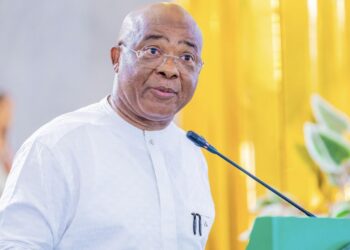
Meanwhile, in Anambra State, the Judicial Service Commission (JSC) warned that a shortage of judges and magistrates is hampering justice delivery. Executive Secretary Stanley Mbanaso disclosed that the state has only 64 magistrates for 35 magisterial districts and 29 High Court judges, down from 40. He called for the appointment of additional judges once facilities are ready, saying more personnel are critical to reducing case backlogs and improving access to justice at the grassroots.
“That will help decongest the courts and enhance speedy dispensation of justice. Increasing the number of magistrates is critical to improving access to justice at the grassroots”, he noted.
Mbanaso also emphasised ongoing efforts to strengthen discipline and integrity in the judiciary, noting that some magistrates and judicial staff have faced disciplinary measures to curb misconduct. He encouraged the public to report verified corruption and malpractice while warning against frivolous claims.
Analysts told ENigeria Newspaper that without addressing the twin issues of welfare gaps and staff shortages, both at the state and national level, the judiciary may continue to face inefficiencies that affect justice delivery and public confidence.