With just months to go before the 2026 FIFA World Cup, mounting violence and high‑profile killings in both Mexico and the United States are fueling growing concerns over safety for fans, teams, and visitors expected to descend on host cities across North America.
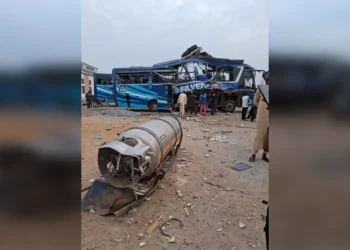
Concerns about Mexico’s preparedness have intensified after a dramatic surge of criminal unrest following the killing of Nemesio “El Mencho” Oseguera Cervantes, leader of the powerful Jalisco New Generation Cartel (CJNG), during a military operation in Jalisco on 22 February. The federal action triggered widespread retaliation by cartel elements, including road blockades, arson attacks, clashes with security forces, and panic in major urban centers such as Guadalajara, which is a key World Cup host city.
Guadalajara, slated to host four group matches, saw football fixtures postponed, public transport suspended, and residents urged to shelter in place as violence spread across local neighbourhoods. Officials also reported flights disrupted and tourism affected as authorities worked to regain control.
The unrest has prompted travel advisories from foreign governments and warnings about public safety in the wider region, with some countries urging their citizens to be cautious if planning to travel near tournament venues this summer.
In response, Mexican authorities have bolstered security by deploying military units and federal police to monitor key cities and transport routes. Officials say they are also strengthening protective measures around stadiums, tourism hubs, and fan zones to ensure that the World Cup co‑hosted by Mexico, the United States, and Canada from June 11 to July 19, 2026 remains safe and celebratory.
But the worries are not limited to Mexico. Security debates in the U.S. have also become headline issues, particularly following incidents involving law enforcement killings of civilians that have drawn public scrutiny and raised questions about domestic safety practices. Critics argue that high‑profile shootings and aggressive enforcement tactics could affect international perceptions of safety in major U.S. host cities such as New York, Los Angeles, and Miami, which are all expected to welcome millions of visitors.
Some civil liberties advocates have publicly voiced concern that agencies like U.S. Immigration and Customs Enforcement (ICE), which officials say will play a key role in protecting World Cup venues and surrounding areas, might undermine foreign fan confidence if operations are perceived as heavy‑handed or disruptive.
Security experts say that while both host countries have invested heavily in safety protocols, the juxtaposition of recent violence and societal tensions complicates the narrative. They warn the coming months will be critical in reassuring global audiences that the tournament can proceed without major security incidents.
As the countdown to kickoff continues, authorities face the dual challenge of containing organized crime violence in Mexico and addressing domestic security concerns in the United States, all while ensuring that the world’s biggest football event lives up to expectations.