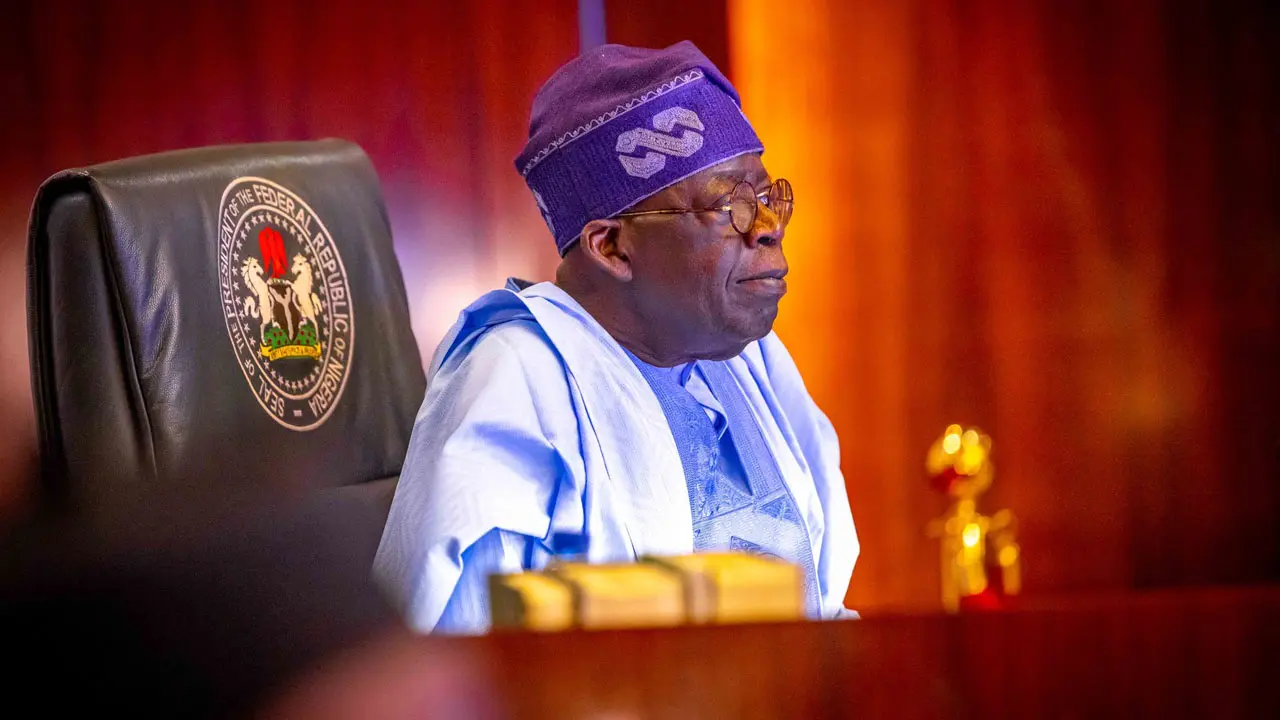
With less than 24 hours remaining before the federal government’s deadline for political appointees seeking elective positions to resign, no sitting minister has officially stepped down, ENigeria Newspaper checks have revealed.
The directive, issued by President Bola Ahmed Tinubu, requires all political appointees, including ministers, ministers of state, special advisers, senior special assistants, and heads of government agencies, to submit their resignations by March 31, 2026, if they intend to contest the 2027 general elections. Those who fail to comply risk losing the opportunity to run.
So far, only Nasir Bala Aminu, also known as Ja’oji, Senior Special Assistant on Citizenship and Leadership to the President, has resigned his appointment over the weekend. Reports suggest that several other top appointees are close to following suit, but none have formally done so.
Sources indicate that at least 14 federal appointees, including ministers and senior aides, are eyeing governorship seats across the country. These include Minister of Communications Bosun Tijani (Ogun State), Minister of Transport Senator Saidu Alkali (Gombe State), Minister of Agriculture Senator Abubakar Kyari (Borno State), Minister of Foreign Affairs Yusuf Maitama Tuggar (Bauchi State), Coordinating Minister of Health Prof. Muhammad Ali Pate (Bauchi State), and Minister of Power Adebayo Adelabu (Oyo State). Other potential contenders include Hakeem Muri-Okunola, Principal Private Secretary to the President; Dr. Mathias Byuan, Executive Director of the Federal Housing Authority; Pius Akutah, CEO of the Nigerian Shippers Council; and Ahmed Galadima Aminu, CEO of the Petroleum Technology Development Fund.
According to ENigeria Newsaper checks, ministers are reluctant to step down because of unclear political support and unclear presidential messages. Observers point out that, in contrast to previous administrations, contemporary candidates cannot be certain of their home governors’ support, making the option to resign riskier.
Historically, ministers under former Presidents like Goodluck Jonathan and Olusegun Obasanjo had clearer assurances. During Jonathan’s tenure, only a few ministers, such as Darius Ishaku of Taraba, secured their party tickets after resigning, while others, like Samuel Ortom of Benue, had to switch parties. Under Obasanjo, close associates including Liyel Imoke, Babangida Aliyu, and Kashim Imam were able to step down and win party tickets due to explicit support from the presidency.
The directive of President Bola Ahmed Tinubu is valid and it is in line with with Section 88(1) of the Electoral Act, 2026, and INEC’s timetable for party primaries. However, sources say no additional guidance or encouragement has been provided to aspirants, leaving many uncertain about the political landscape and their chances of success.
The clock is ticking for ministers across the nation, and by tomorrow, their political ambitions could be decided based on whether they choose to resign or cling to their current appointments.