Nigeria has signaled renewed momentum toward establishing a regional single currency, the Eco, following fresh consultations among West African monetary authorities, the Central Bank of Nigeria (CBN) confirmed on Monday.
The apex bank announced via its X handle that Governor Olayemi Cardoso led Nigeria’s delegation to the Committee of Governors meeting held in Monrovia, Liberia, where policymakers reviewed progress and renewed discussions on the long-proposed Eco currency. Deputy Governor (Economic Policy) Muhammad Sani Abdullahi was also part of the delegation.
The apex bank said, “The meeting formed part of statutory engagements jointly organized by the Economic Community of West African States alongside the West African Monetary Agency, the West African Monetary Institute, and the West African Institute for Financial and Economic Management. The consultations brought together financial regulators and economic policymakers across the sub-region to assess convergence benchmarks required for launching the unified currency.”
The meeting, organized jointly by the Economic Community of West African States (ECOWAS), the West African Monetary Agency, the West African Monetary Institute, and the West African Institute for Financial and Economic Management, brought together financial regulators and economic policymakers across the sub-region. Participants assessed convergence benchmarks required for launching a unified currency.
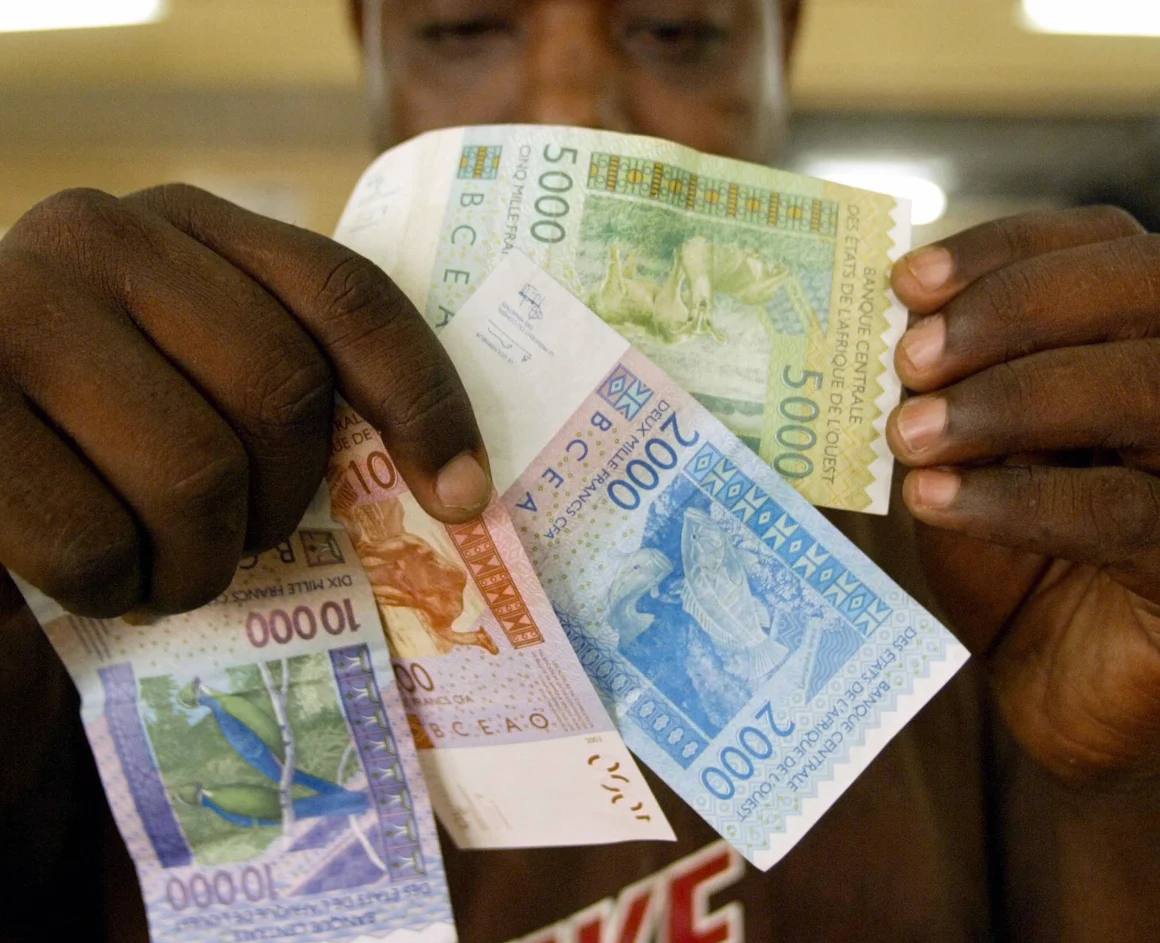
ENigeria Newspaper gathered that the Eco initiative is designed to deepen economic integration among ECOWAS member states by creating a common legal tender, facilitating cross-border trade, enhancing price transparency, and reducing transaction costs associated with multiple currencies. Despite more than two decades of discussion, the project has experienced repeated delays, as member countries struggle to meet strict macroeconomic criteria.
Deliberations at the Monrovia meeting focused on evaluating member states’ performance against key economic indicators, including inflation ceilings, fiscal deficit thresholds relative to GDP, and foreign reserve adequacy — measures deemed critical for ensuring stability within a potential monetary union.
Nigeria, which accounts for a substantial share of West Africa’s economic output, is viewed by policymakers as central to the success of the proposed currency framework. The CBN highlighted that the country’s active participation would strengthen both the credibility and operational viability of the Eco.
The meeting also explored broader issues, including policy coordination mechanisms, institutional readiness, and alignment of regulatory frameworks across participating nations. These consultations are expected to inform subsequent technical work and policy adjustments needed to accelerate convergence.
Economists observing the development note that while the Eco project has gained renewed political backing, structural disparities among member states remain a significant challenge. Many West African economies continue to grapple with currency volatility, rising debt burdens, and persistent inflationary pressures, all of which could complicate harmonization of monetary policies.
The latest engagement underscores the Federal Government’s ongoing commitment to regional financial integration, even as authorities simultaneously focus on domestic reforms aimed at stabilizing inflation, boosting foreign exchange liquidity, and strengthening fiscal discipline.