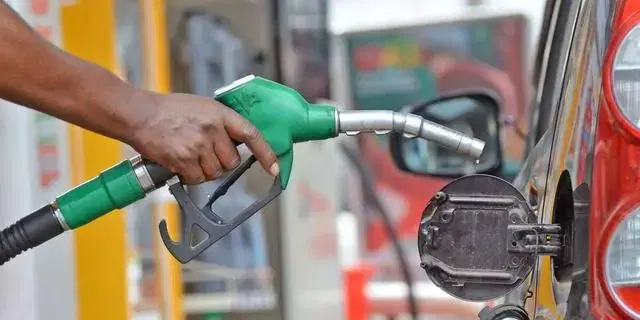
Dangote Petroleum Refinery has reduced the ex-depot price of Premium Motor Spirit (PMS) by N25 per litre, lowering the gantry rate from N799 to N774 per litre with immediate effect.
ENigeria Newspaper reports that the adjustment was communicated to petroleum marketers on Tuesday in a circular issued by the refinery’s Group Commercial Operations Department. The company also announced the discontinuation of its PMS lifting incentive scheme, which had been designed to encourage higher volume offtake.
In the notice, the refinery stated that the incentive programme ended at midnight on February 10, 2026, adding that credits for volumes lifted between February 2 and February 10 would be reflected in marketers’ account statements.
The price reduction comes amid ongoing shifts in Nigeria’s deregulated downstream petroleum market, following the full removal of fuel subsidy in 2025. Since deregulation, petrol prices have been largely influenced by foreign exchange movements, international crude oil prices and supply dynamics.
Last year, ENigeria Newspaper reported that PMS ex-depot prices fluctuated widely, ranging from around N700 to above N800 per litre, while pump prices climbed higher across many states. Industry watchers attribute much of the volatility to Nigeria’s historical dependence on imported fuel.
However, the ramp-up of domestic supply from the Dangote refinery towards the end of 2025 eased pressure on prices, particularly along southern and coastal distribution corridors, and reduced reliance on import-parity pricing.
Earlier in 2026, the refinery had increased its gantry price to N799 per litre after selling petrol at N699 per litre during the festive period. Analysts now say the latest reduction reflects improved operational efficiency, easing cost pressures and growing competition from imported products and expected output from modular refineries.
With a processing capacity of 650,000 barrels per day, the Dangote Petroleum Refinery remains Africa’s largest single-train refinery and a key component of Nigeria’s strategy to cut fuel imports and conserve foreign exchange.