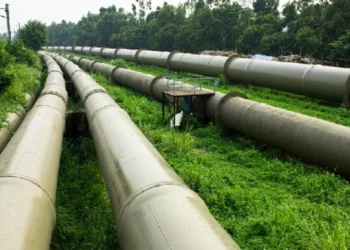
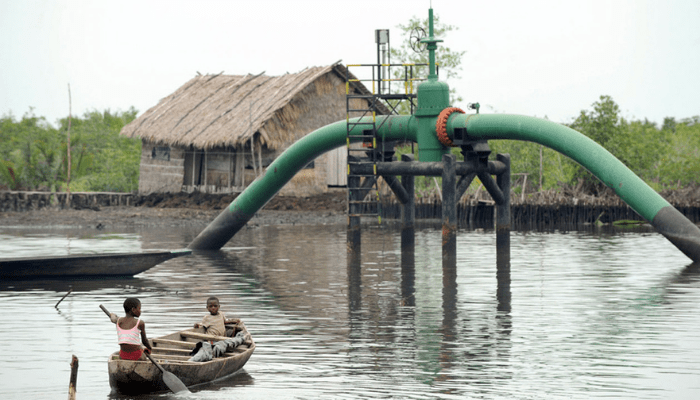
The Ogoni people in Rivers State have made it clear that oil exploration on their land will only resume if certain conditions are met, signaling a stronger push for environmental justice and community inclusion, ENigeria Newspaper has learnt.
The Federal Government just said that they will start drilling for oil again in Ogoniland after a 30-year break. They want to get 2.5 million barrels a day from Oil Mining Lease (OML) 11.
The National Security Adviser (NSA) is in charge of the project, which aims to protect the area and make use of its valuable resources. Some people support the move, but many groups want justice and repairs for years of damage to the environment.
Speaking through environmentalist Eric Dooh, the Ogoni expressed cautious optimism that exploration could proceed—“on their terms.”
At the Inclusive Environments Nigeria Workshop in Lagos, which brought together journalists, activists, and other interested parties to examine a study project titled “Developing a Framework for Collective Environmental Justice,” Dooh presented their position. Prof. Chantal Davies is in charge of the study’s UK-based team, which also includes Drs. Egbosa Ekhator from the University of Derby and Holly White and Kim Ross from the University of Chester.
According to the Ogoni, several conditions must be met before oil drilling can resume: “a proper Environmental Impact Assessment (EIA) should be conducted; all legal issues pending in court must be resolved, possibly out-of-court; an inclusive meeting of impacted and host communities should be called, and a proper Needs Assessment of projects should be carried out.”
According to Ekhator, “the government does not use the term ‘environmental justice,’ but rather ‘environmental equality,’ which could mean environmental sustainability.” It’s challenging to define environmental justice precisely.
The research also stated, “At its core, environmental justice asks one critical question: who benefits from environmental progress, and who bears the cost?
“As climate change intensifies and institutions make bold sustainability pledges, the question becomes not just urgent, but unavoidable.”
It further noted, “Historically, certain communities, especially those marginalised by race, income, disability or geography, have been systematically excluded from environmental decision-making while disproportionately exposed to pollution, displacement and environmental harm.”
Environmental justice challenges this imbalance by centring equity in sustainability efforts. It ensures that the voices of those most affected are not only heard but help to shape the decisions that impact their lives.”