

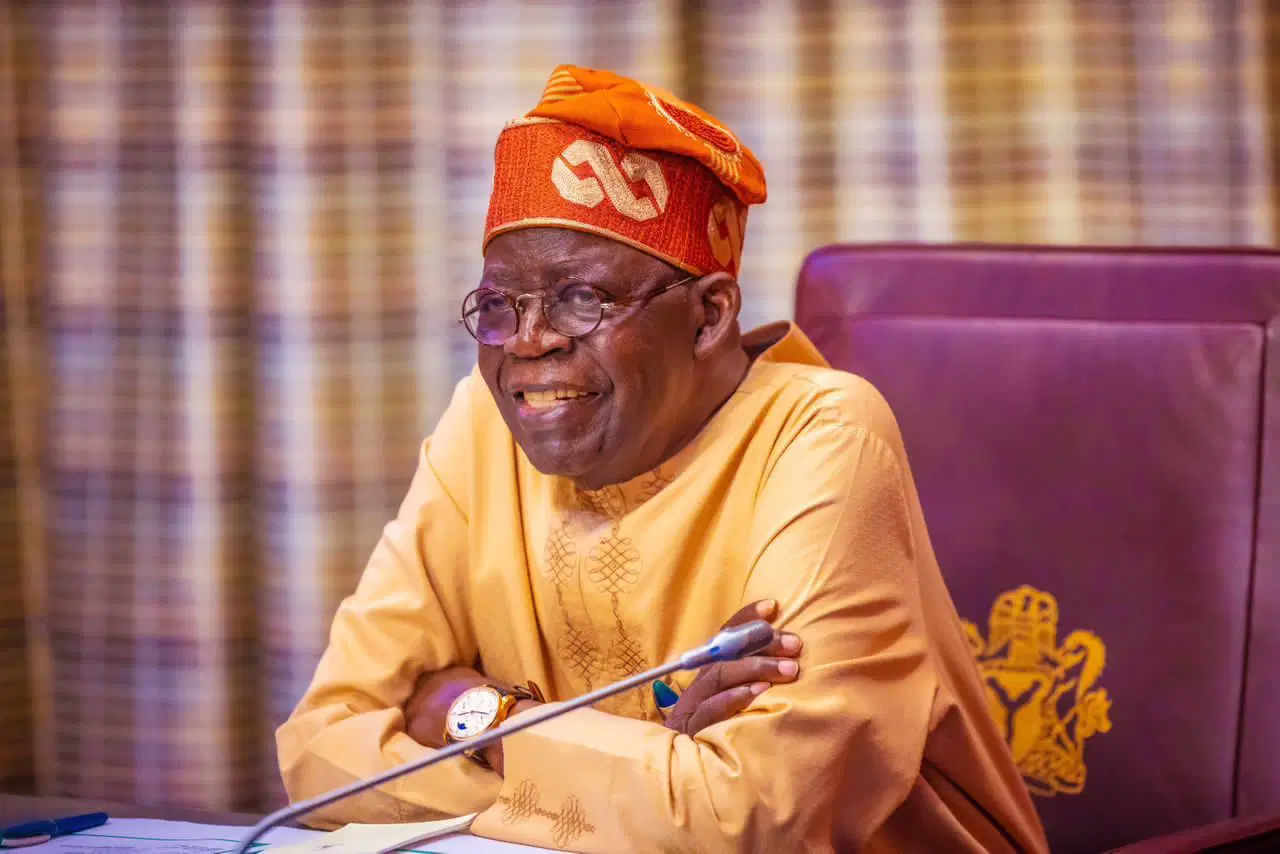
President Bola Tinubu’s economic reforms have strengthened Nigeria’s federal structure and improved resources for state and local governments, the Minister of Budget and Economic Planning, Senator Abubakar Bagudu said.
Speaking at the National Economic Council (NEC) Conference in Abuja, Bagudu highlighted that the president’s approach has fostered greater cooperation between the federal government, state governors, and local authorities. He credited Tinubu’s active involvement in NEC deliberations for softening partisan divisions and ensuring inclusive policymaking.
“In the NEC, governors from all parties have been given the opportunity to contribute to reform measures, and most support the federal government’s initiatives,” Bagudu said, noting that some governors even questioned their affiliation with opposition parties given Tinubu’s collaborative approach.
The minister also pointed to the tangible effects of the reforms on subnational finances, explaining that states and local governments now have increased capacity to provide public services, thanks to federal support.
He emphasised the president’s commitment to empowering the lowest tiers of government through initiatives like the Renewed Hope Ward-based Development Programme, which identifies and nurtures economic activities across Nigeria’s 8,809 wards.
Bagudu further lauded Tinubu’s international recognition, noting that a recent World Bank delegation described Nigeria’s reforms as a global benchmark, while an IMF report ranked the country among the top ten contributors to worldwide economic growth.
The NEC Conference, themed “Delivering Inclusive Growth and Sustainable Development: The Renewed Hope National Development Plan 2026-2030,” was chaired by Vice-President Kashim Shettima and brought together the 36 state governors and the FCT Minister to review economic strategies and coordinate development plans across the federation.