

Global markets steadied Tuesday after the United States announced it would deploy naval escorts to safeguard commercial shipping through the Strait of Hormuz, easing fears of a prolonged disruption to one of the world’s most critical oil transit routes.
The move, as learnt by ENigeria Newspaper, followed heightened tensions in the Middle East after US and Israeli strikes on Iran triggered retaliatory attacks across the region.
Shipping traffic through the Strait of Hormuz, a narrow waterway that carries roughly one-fifth of global crude oil supplies, had slowed significantly, raising concerns about supply shortages and a spike in energy prices.
Oil markets reacted sharply at the start of trading, with Brent crude briefly climbing above $85 per barrel amid speculation that prices could surge toward $100 if the route remained compromised.
However, prices pulled back later in the day after President Donald Trump announced that the US Navy would escort oil tankers if necessary and provide insurance backing to ensure uninterrupted commerce.
Brent ultimately settled at $81.40 per barrel, still higher on the day but well below its intraday peak. Analysts said the announcement helped restore confidence that global supply chains would not face immediate collapse.
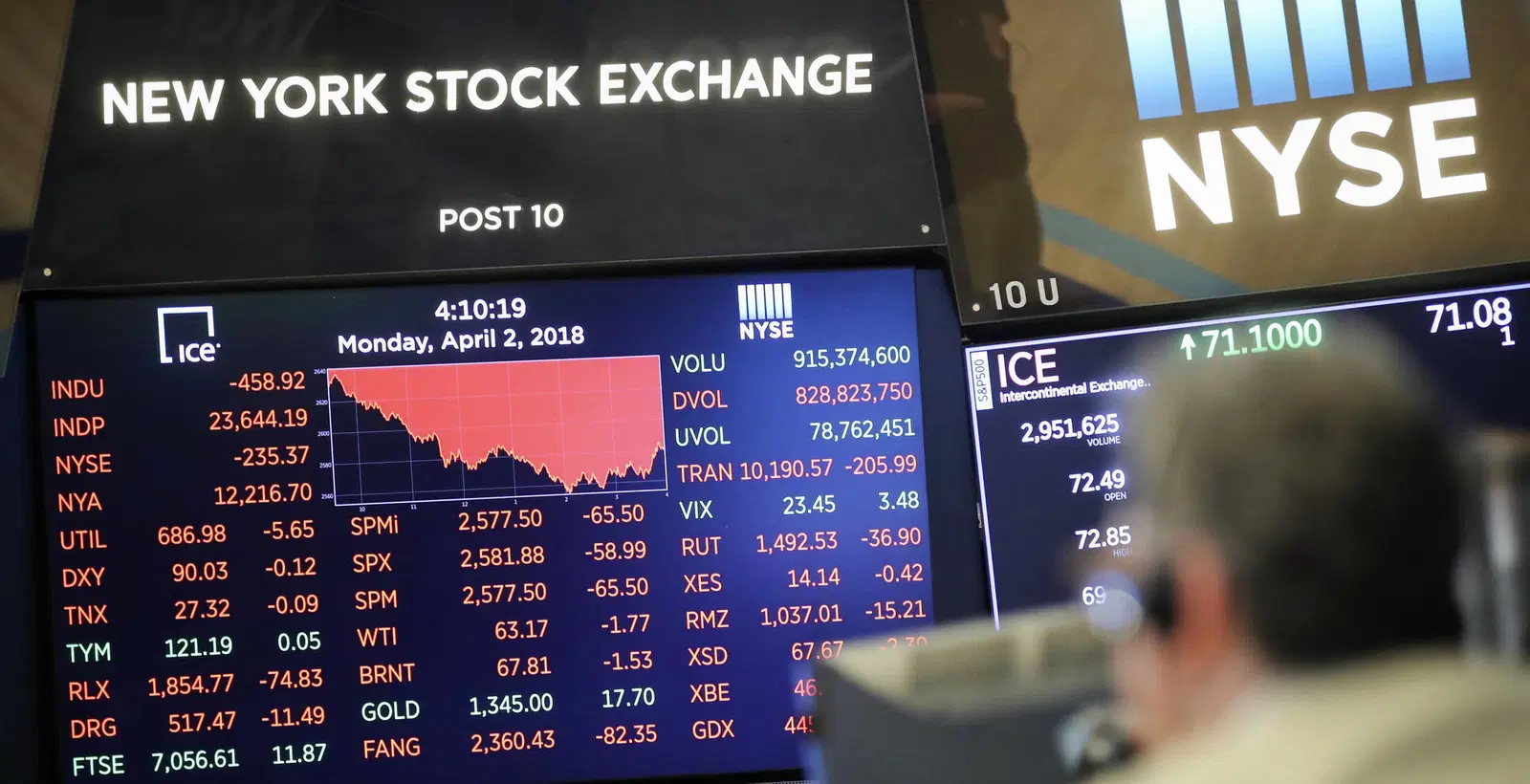
Equity markets, which had opened sharply lower on fears of rising inflation and economic strain, also trimmed losses. Investors had been concerned that sustained high energy prices could fuel inflation, reduce consumer spending, and complicate central bank plans to ease interest rates.
Market watchers said the US intervention signalled a commitment to keeping global energy flows stable, a critical factor in preventing wider economic fallout.
Despite the temporary relief, analysts cautioned that volatility could persist if tensions escalate further. Any renewed threat to tanker traffic or oil infrastructure in the region could quickly reverse the calming effect seen in markets.
For now, however, Washington’s naval assurance appears to have reduced immediate fears of a supply shock, offering markets a measure of stability amid ongoing geopolitical uncertainty.