
Security forces in Abuja mounted a heavy presence across key parts of the city yesterday, as escalating hostilities between the United States, Israel, and Iran raised fears of potential spillover into Nigeria’s Federal Capital Territory (FCT).
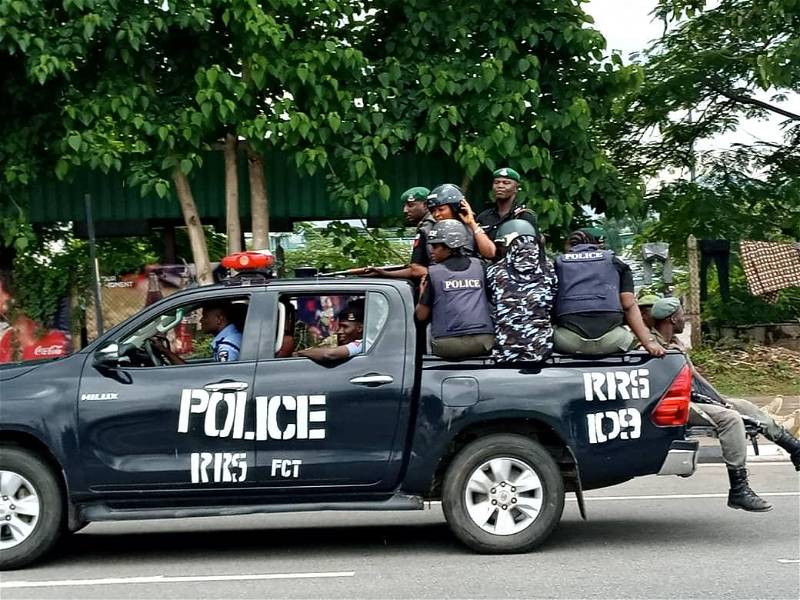
Security forces were stationed at government offices, diplomatic districts, key roads, and other critical points across Abuja as a precaution against potential unrest tied to the escalating Middle East conflict. While no immediate threat was reported, the lockdown demonstrated heightened vigilance in response to growing international tensions.
The US Embassy in Abuja also cancelled all visa appointments scheduled for Wednesday, citing security concerns arising from the conflict. In a notice to American citizens, the embassy warned of possible protests and public demonstrations, urging nationals to stay indoors, avoid crowded areas, and monitor local media updates. While visa services were temporarily suspended, emergency consular assistance remained available, and operations at the US Consulate General in Lagos were unaffected.
The heightened security measures coincided with demonstrations across the country by members of the Islamic Movement in Nigeria (IMN), also known as the Shiites, protesting the US and Israeli attacks on Iran. The lockdown aimed to prevent similar incidents in Abuja, following protests that occurred over the weekend in Niger, Kaduna, and Sokoto states.
Traffic was heavily disrupted, particularly along the Abuja-Keffi Road, as roadblocks and cordons slowed vehicles to a near standstill. Pedestrians also faced long delays while navigating the city. Some individuals were reportedly arrested for attempting to foment trouble.
ENigeria Newspaper gathered that at 9 a.m., policemen and soldiers from the Army Headquarters had set up checkpoints at Mopol Junction near the Mararaba-Nyanyan intersection. Similar deployments were observed at Kugbo, Eagles Square, the Ministry of Finance, and other key infrastructures across the capital. Personnel carriers and gun trucks were visible at major intersections, underscoring the authorities’ commitment to preemptive security measures.
The wider conflict has intensified over the past five days, with Iran reporting more than 1,045 deaths. International reactions include warnings from Islamic bodies against escalating friction and projections from financial analysts, such as Goldman Sachs, expecting oil prices to hit $100 per barrel amid growing uncertainty.
In addition, Fox News host Pete Hegseth reported the killing of a key figure allegedly linked to an assassination plot against former US President Donald Trump, highlighting the far-reaching geopolitical consequences of the conflict.