
Iran told the UN on Monday that it would not submit to what it termed as unlawful aggression endangering millions of its citizens and strongly denounced the ongoing military strikes by the United States and Israel.
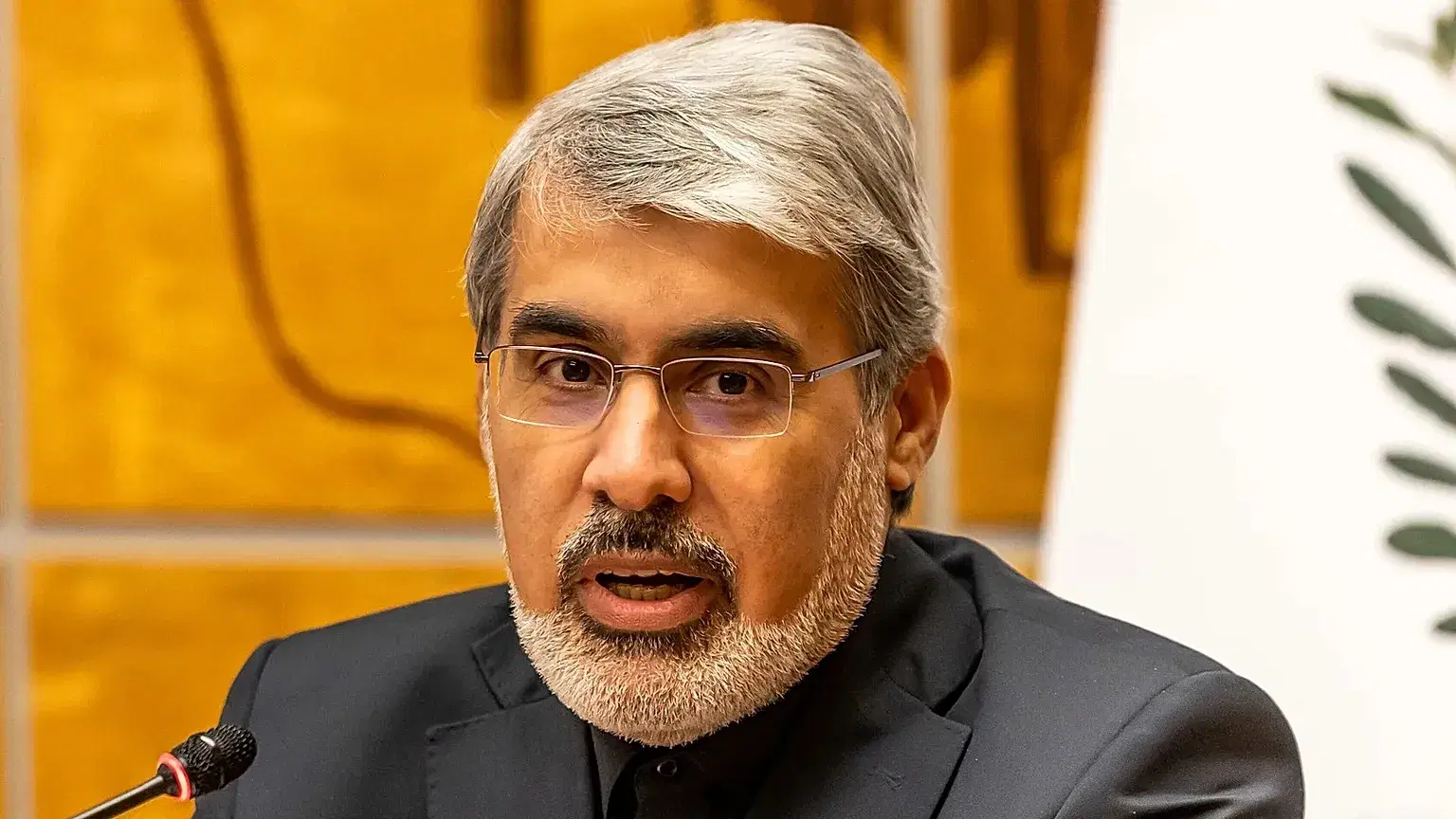
Iran’s ambassador to the UN, Ali Bahreini, cautioned that as the conflict worsens, the lives of the nation’s citizens are in grave danger while speaking at the UN Human Rights Council session in Geneva.
“The most urgent and fundamental human rights issue concerning Iran is the imminent threat to the lives of 90 million people whose lives are in immediate and grave danger under the shadow of reckless military aggression,” Bahreini said.
He criticised the attacks, describing them as actions carried out by irresponsible actors in the international system. According to him, the strikes represent “an aggression that is carried out by some of the most lawless and unscrupulous actors on the international stage”.
The ambassador cautioned that ignoring the situation could have wider implications for global security.
“If such reckless militarism is met with indifference, Iran will most certainly not be the last country to suffer such treatment,” he said.
On February 28, the United States and Israel began synchronized military actions against Iran, which prompted Tehran to retaliate against other Middle Eastern areas.
Bahreini also asked the Human Rights Council to concentrate on the attacks’ humanitarian ramifications, such as the purported strikes on civilian targets.
During the session, he called attention to what he described as “indiscriminate” assaults affecting Iranian cultural heritage and civilians, including “the innocent children massacred at their school desks”.
Although US authorities say the incident is being investigated, Iran has accused Washington and Tel Aviv of launching a missile attack on a school in the southern city of Minab.
The Iranian envoy claims that there have been significant casualties from the continuous strikes.
“Under such circumstances, what exactly is Iran expected to do?” he asked, insisting that “Iran is not a nation that submits to coercion, intimidation or lawless aggression.”
Meanwhile, several Gulf Cooperation Council countries and Jordan criticised Iran for launching attacks on their territories, warning that such actions threaten regional security and civilian safety and “cannot be justified under any pretext”.
At the same UN session, the special rapporteur on human rights in Iran, Mai Sato, raised concerns about Tehran’s response to recent domestic protests, alleging widespread repression.
“What was new and what has left a profound impression on me was the violation of medical neutrality,” she said.
Sato claimed that security forces targeted hospitals during the crackdown, adding that “hospitals were raided. Wounded protesters arrested from their beds. Medical professionals assaulted and arrested. A state directive instructing hospitals to provide information on injured protesters.”
She said the situation created fear among injured demonstrators seeking treatment.
“The result was a healthcare system in which the injured feared seeking treatment more than the injuries themselves, and the act of saving life criminalised,” she said.
The US-Israeli strikes “remain unlawful, no matter the assumed or stated objectives of those strikes,” according to Sato, who also denounced the worldwide military assault against Iran.
Because “the people harmed are the same,” she continued, accountability should be applied regardless of who violates the law.
Additionally, a UN fact-finding mission cautioned that as the crisis worsens, Iran’s internal repression may get worse.