
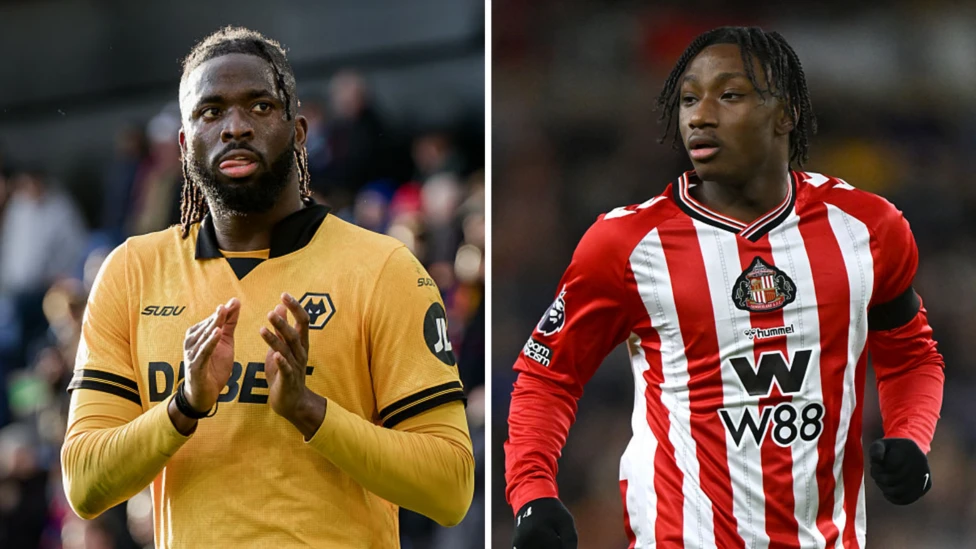
A fresh wave of racist abuse has hit English football, with Wolverhampton Wanderers striker Tolu Arokodare the latest player targeted online.
The 23-year-old forward was subjected to discriminatory messages on social media after missing a penalty in Wolves’ 1-0 defeat to Crystal Palace on Sunday.
In a strongly worded statement, Wolves described the abuse as “abhorrent and unlawful,” saying they were “disgusted” by numerous instances of racist attacks from multiple perpetrators.
“There is no place for racism — in football, online, or anywhere in society,” the club said, pledging full and unwavering support for Arokodare. Wolves added that no player should face hatred for simply doing their job and stressed that they stand alongside all footballers subjected to abuse from anonymous accounts acting with apparent impunity.
The club confirmed it has reported the offensive posts to relevant platforms and will work with the Premier League and authorities to identify those responsible. Wolves reiterated a zero-tolerance approach to discrimination.
Arokodare also addressed the issue directly on Instagram, expressing disbelief that such incidents continue in 2026.
“It’s still unbelievable to me that we’re playing in a time where people have so much freedom to communicate such racism without any consequences,” he wrote, adding that those who taint the sport should face punishment regardless of who they are.
The incident is part of a troubling pattern over the weekend.
Sunderland AFC confirmed that Romaine Mundle was similarly abused online after appearing as a substitute in a 3-1 defeat to Fulham FC. Sunderland condemned the “abhorrent behaviour,” saying it would not be tolerated and that the club is working with authorities and online platforms to identify the perpetrators. The club emphasized that those responsible do not represent Sunderland’s values or community and are not welcome on Wearside.
Elsewhere, Chelsea FC defender Wesley Fofana and Burnley FC midfielder Hannibal Mejbri were targeted with racist messages after their teams played out a 1-1 draw.
Fofana shared screenshots of abusive messages sent to his Instagram account and voiced frustration at the lack of consequences.
“2026, it’s still the same thing, nothing changes. These people are never punished,” he wrote. “You create big campaigns against racism, but nobody actually does anything.”
Mejbri also posted examples of the abuse he received, urging greater awareness. “It’s 2026 and there are still people like that. Educate yourself and your kids, please,” he wrote.
Chelsea said it stands unequivocally with Fofana and all players forced to endure hatred, pledging to work with authorities and platforms to identify those responsible and take the strongest possible action. Burnley added that there is no place for such behaviour in society and condemned it unreservedly.
Beyond England, UEFA recently opened an investigation into allegations by Vinícius Júnior that he was racially abused during a Champions League match in Lisbon by Gianluca Prestianni of SL Benfica. Prestianni has denied the accusation.
Anti-discrimination charity Kick It Out said it has received record reports of discrimination across football this season. While acknowledging that more players are speaking out, the group stressed that frustration remains over how abuse continues to thrive online.
“Words matter, but actions are more important,” the organization said, calling on social media companies to strengthen protections for players and improve accountability when incidents occur.
The fact that these incidences keep happening highlights the continuous fight to eradicate racism in football, both on and off the pitch, even while clubs, players and regulatory authorities continue to express their displeasure.