
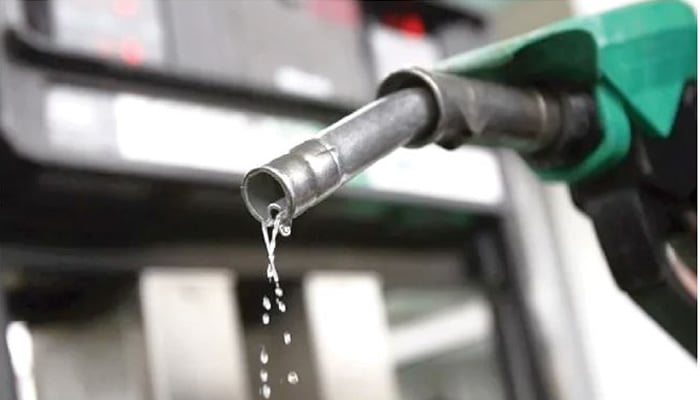
Fuel marketers have cautioned that the price of petrol in Nigeria could climb as high as N1,500 per litre if current pressures in the global oil market persist, even as retail operators intensify competition for customers across the country, ENigeria Newspaper has gathered.
The warning is issued at a time when pump prices have already surpassed N1,000 in a number of places, and petrol stations keep changing their prices in reaction to changing market conditions and growing supply costs.
The continuous war in the Middle East, especially the tensions between Iran, Israel, and the United States, has upset global energy markets and driven up crude prices, according to industry operators. Concerns regarding the security of the Strait of Hormuz, a vital maritime route that transports a sizable portion of the world’s crude oil, have also been raised by the unrest.
The Petroleum Products Retail Outlets Owners Association of Nigeria (PETROAN) claims that if Nigeria continues to rely significantly on imported refined goods, the issue may get worse. Billy Gillis-Harry, the president of the group, issued a warning that if supply chain interruptions persist, petrol prices might approach N1,500 per litre and diesel prices could surpass N2,000 per litre.
He emphasised that while diesel is vital for powering businesses and manufacturing processes, petrol is still necessary for everyday household use and transportation.
Any sustained rise in prices, he said, would inevitably push up the cost of goods and services nationwide.
As competition for consumers heats up, petrol stations have started modifying their pump pricing throughout the retail market. Petrol currently sells at different prices depending on the outlet, according to checks conducted by major marketers. Reports also showed that while some independent marketers are selling at roughly N1,100 per litre, some outlets connected to the Dangote refinery supply chain have been dispensing petrol for more than N1,050 per litre.
In a matter of days, ENigeria Newspaper gathered that the Nigerian National Petroleum Company Limited (NNPC Ltd.) increased the price of petrol at its retail locations from N875 to approximately N960 and then to approximately N967 per litre.
Part of the pressure on retail prices has been linked to recent adjustments by the Dangote Petroleum Refinery, which increased its ex-depot price of Premium Motor Spirit by N100, moving it from N774 to N874 per litre before further raising it again days later to about N955 per litre.
The refinery explained that the increase was largely driven by a surge in crude oil costs and higher freight charges caused by geopolitical tensions disrupting refining operations in several parts of the world.
Despite the adjustment, the company said it had absorbed a portion of the cost escalation in order to cushion the domestic market from the full impact of the global price spike.
Meanwhile, there are predictions that Nigeria’s unregulated downstream petroleum industry will lead to instability in pump prices. The Nigerian Midstream and Downstream Petroleum Regulatory Authority (NMDPRA) explained that the differences in fuel prices between retail locations are caused by supply and demand variables rather than government action.
Its spokesperson, George Ene-Ita, in a recent interview, noted that since the country moved to a fully deregulated system, petroleum product prices now respond directly to market realities.
Drivers in a number of locations, like as Abuja and Lagos, have voiced concerns about the consistent increase in fuel costs, pointing out that just a few weeks ago, petrol sold for between N875 and N880 per litre.
Because more domestic refining capacity would lessen Nigeria’s vulnerability to foreign price shocks, industry players have resumed efforts for the rapid repair of Nigeria’s government-owned refineries.
According to marketers, boosting local production would help stabilise supply and moderate the impact of global energy crises on Nigeria’s fuel market.