

European leaders have firmly distanced themselves from United States President Donald Trump’s call for support in securing the Strait of Hormuz, raising fresh questions about Washington’s next move in the escalating Middle East crisis.
At a meeting in Brussels, foreign ministers from the European Union made it clear they would not expand military involvement despite rising tensions and surging oil prices. “Europe has no interest in an open-ended war,” said EU foreign policy chief Kaja Kallas, adding, “This is not Europe’s war, but Europe’s interests are directly at stake.”
While discussions included strengthening the EU’s naval presence in the region, Kallas stressed that there was no consensus to extend operations into the strategic waterway. “Extending this mandate to cover the Strait of Hormuz … there was no appetite from the member states to do that,” she said, emphasising that “nobody wants to go actively in this war.”
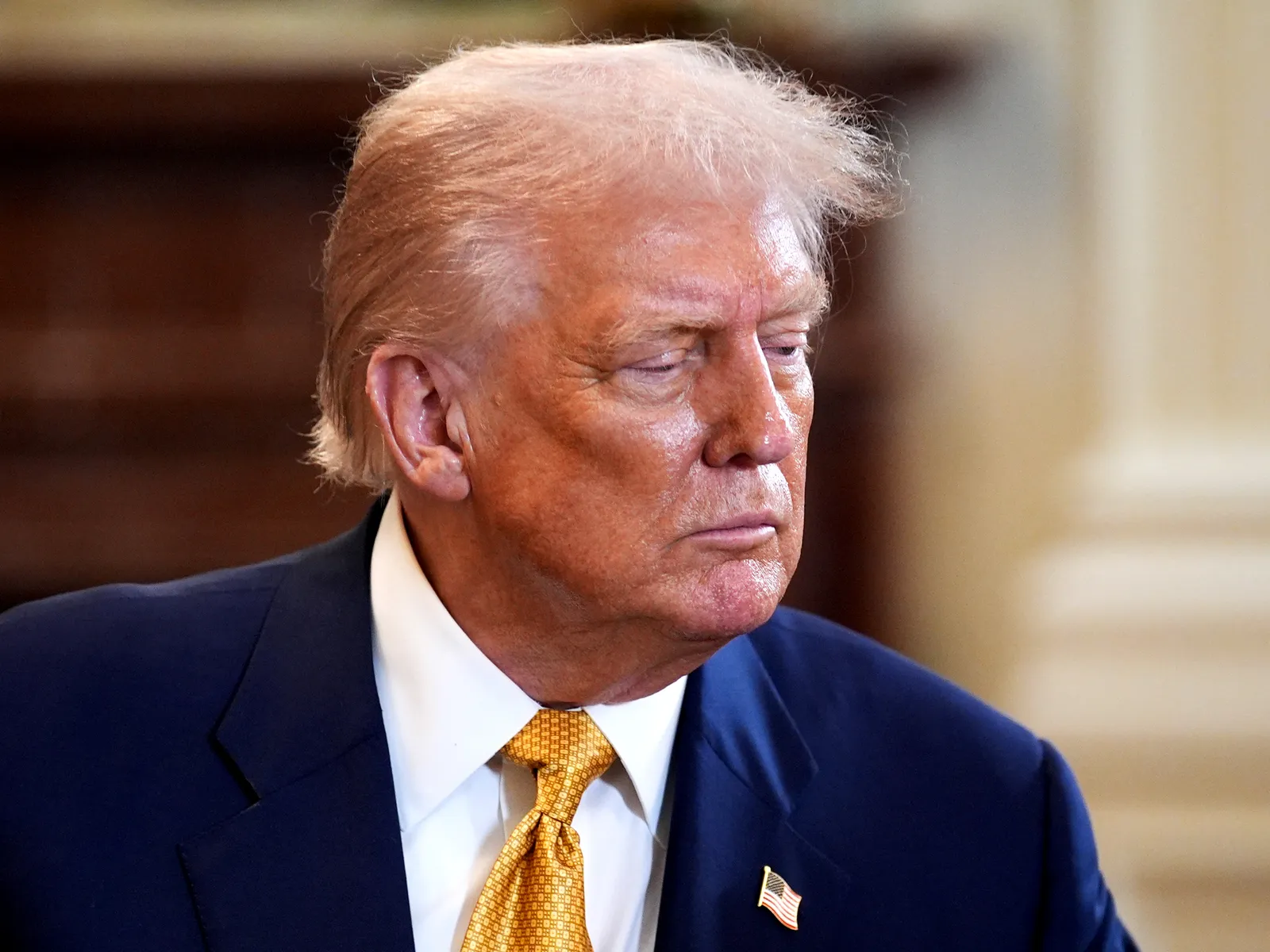
The backlash follows Trump’s warning that transatlantic relations could suffer if European allies did not help. Declaring that “we don’t need anybody” and that “we’re the strongest nation in the world,” he maintained that the United States could still act independently while framing the request as a test of alliance cohesion. He continued, “I’ve been saying for years that they won’t be there if we ever did need them.”
European officials, however, openly rejected the pressure.
Germany’s Defence Minister Boris Pistorius said, “The Americans chose this path, together with the Israelis,” stressing, “We did not start this war.”
German Chancellor Friedrich Merz also dismissed any NATO role, saying, “NATO is a defensive alliance, not an interventionist one. And that is precisely why NATO has no place here at all,” while calling for mutual respect within the alliance: “I hope that we will treat one another with the necessary respect within the alliance.”
Luxembourg’s Deputy Prime Minister Xavier Bettel was even more blunt, warning against coercion.
“Don’t ask us” to send troops, he said, adding that his country would not give in to blackmail.
Washington persists in making its case in spite of the rejection. Securing the Strait of Hormuz is in line with European interests, according to U.S. Ambassador to NATO Matthew Whitaker, who stated that Trump “is absolutely right to suggest that our allies need to come, need to help us and support our efforts.”
However, a concerted reaction is unlikely due to NATO disagreements. The crisis, which was sparked by Israeli and American strikes on Iran, is outside the alliance’s primary mandate, as European officials have frequently emphasized. “Europe is not part of this war,” Kallas reaffirmed. “The political objectives are unclear,” he sharply added. “We have not started this war.”
As tensions continue to ripple across the world’s energy markets, Washington is expected to bear the majority of the crisis management load due to the lack of cohesive support from Europe and the absence of a formal NATO mission.