

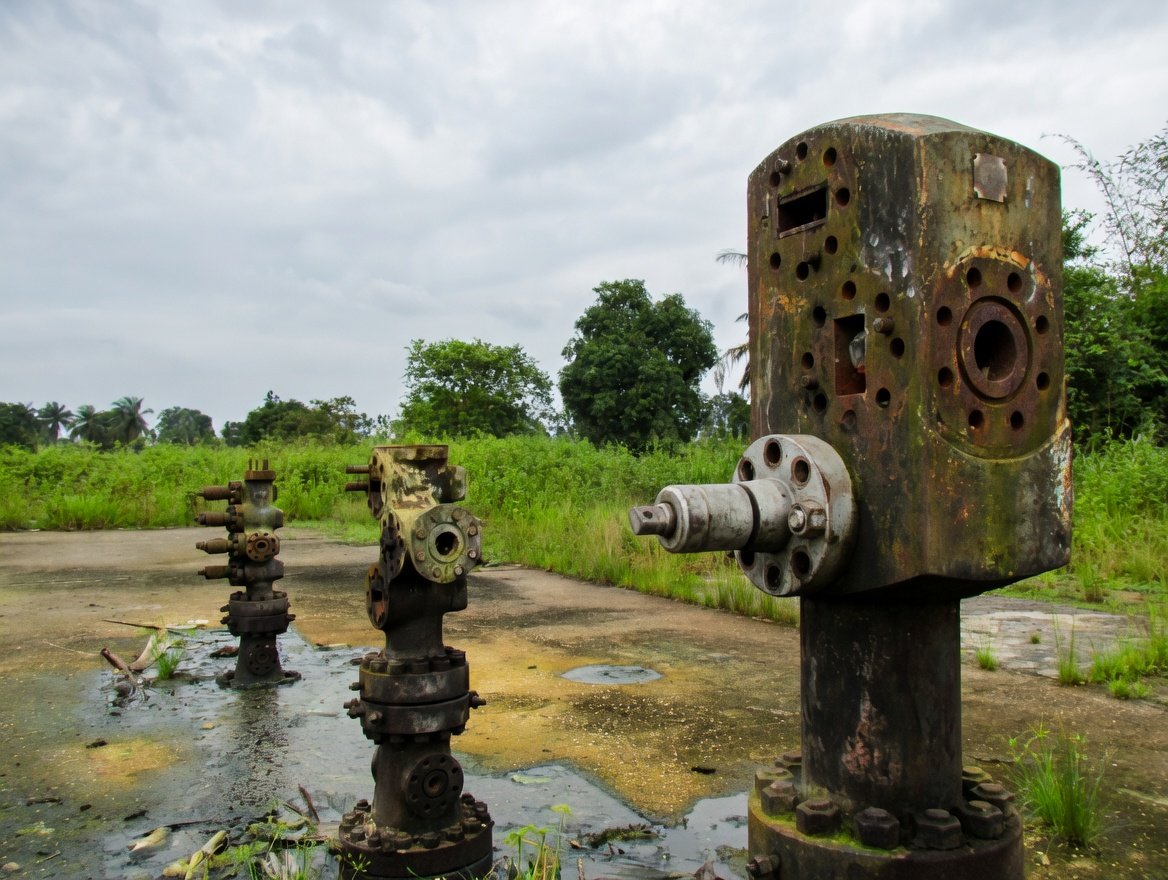
Following the suspension of oil production in Ogoni land, reports have confirmed that Nigeria lost over $226.734 billion worth of revenue.
ENigeria Newspaper recalled that the suspension of oil production, which spanned across over 90 wells in 32 years, started when production was stopped in 1993 as a result of environmental concerns and general unrest brought on by decades of exploration.
This revenue loss information was conveyed by members of the Pipeline Infrastructure Nigeria Limited (PINL) who converged yesterday at the stakeholders’ meeting in Port Harcourt, Rivers State. During the meeting, the stakeholders urged the resumption of oil production must, however, be done with caution and respect to environmental laws so as to avoid situations of the past to repeat itself.
General Manager, Community and Stakeholder Relations at PINL, Dr Akpos Mezeh also affirm that restarting oil production in the area is a top national priority, and past loss should be avoided going forward.
“Available data shows that over $226.734 billion has been lost due to the suspension of crude oil production from 96 wells in Ogoni land over the past 32 years. This clearly underscores both the economic cost of inaction and the immense opportunity that lies ahead,” Mezeh said.
“Host communities must be involved as critical stakeholders across all phases of the process; environmental clean-up and restoration efforts already underway must be sustained; a community-based security framework — drawing on PINL’s pipeline surveillance model across the Niger Delta — should be adopted; and economic inclusion must be prioritized, with residents benefiting directly through employment, contracts, and capacity development”, he added.
The stakeholder also promised that transparency, environmental sustainability, and community involvement must be the cornerstones of the process. The firm recalled that these would drive the will of the Ogoni land, which is covered under Oil Mining Lease (OML) 11 and has the capacity to produce more than 500,000 barrels of crude oil every day.
“With the area’s capacity, the position of PINL aligns with growing calls from stakeholders in the Niger Delta for the Federal Government to restart oil production in Ogoniland in a manner that balances economic benefits with environmental justice and community interests,” Mezeh also said.
“At PINL, we stand ready to support this process by applying our experience in stakeholder engagement and infrastructure protection to ensure a peaceful, secure, and sustainable resumption”, he added, maintaining that the company is prepared to make a direct contribution to the process of reigniting the area’s production prowess.
Oil crises in Ogoni land
Since the discovery of crude in Ogoni in 1958, the Ogoni people have fought an uneven battle against governments that have been associated with oil firms. The rights of minorities and indigenous populations, as well as the environment, have not been sufficiently considered in the exploitation of oil resources.